2 Kings 1

Who was Ahaziah?
[A] The son of Ahab (1 Kings 22:51). He succeeded his father as king over Israel (1 Kings 22:40, 51).

[B] “And he did evil in the sight of the Lord and walked in the way of his father and in the way of his mother…” (1 Kings 22:52). Ahaziah is the only king of which the writer noted that he walked “in the way of his mother.” Ahaziah’s evil mother, Jezebel, was still living when he ascended the throne and surely continued to exert her evil influence over her son. As for “the way of his father,” Ahaziah apparently failed to learn from all of the acts of God performed during his father’s reign. Two godless parents raised poor Ahaziah.

[C] He served and worshiped Baal (1 Kings 22:53). Ahaziah knew about the God of Israel but chose instead to serve Baal and in so doing “provoked the Lord God of Israel to anger according to all that his father had done” (1 Kings 22:53).

[D] He reigned two years over Israel (2 Kings 22:51).

What initial trouble did Ahaziah face when he became king?
As soon as Ahab died Moab rebelled against Israel (2 Kings 1:1). The Moabites had been vassals to Israel since the time of David. They saw Ahab’s death as an opportunity to cast off their yoke of tribute.

Why was Ahaziah unable to suppress the Moabite revolt?
Ahaziah was unable to suppress the revolt because he was incapacitated by a fall from his upper chamber which was in Samaria (2 Kings 1:2).

What course of action did Ahaziah take to ascertain the outcome of his health?
Ahaziah sent messengers to the Philistine city Ekron to inquire of Baal-zebub (the lord of the flies) regarding whether he would recover from his injury (2 Kings 1:2). This action was a direct violation of the first commandment (Exodus 20:3) and the prohibitions of Leviticus 20:6 and Deuteronomy 18:14. This was nothing less than a public declaration that the king placed and sought the counsel of a Philistine god above the God of Israel. It is no wonder why Ahaziah “provoked the Lord God of Israel to anger” (1 Kings 22:53).

What course of action did God take to hold the king accountable for his foolish decision to send messengers to inquire of Baal-zebub?
God sent Elijah to intercept the king’s messengers. Elijah confronted them and asked, “Is it because there is no God in Israel that you are going to inquire of Baal-zebub, the god of Ekron?” (2 Kings 1:3). A convicting question, to say the least. Ahaziah did not turn to God in his distress, but to a heathen idol. Someone has said, “The man who has forsaken God is without refuge in his distress.”

Elijah then pronounced God’s judgment upon the wicked and idolatrous Ahaziah: “You shall not come down from the bed where you have gone up, but you shall surely die” (2 Kings 1:4). Elijah’s words made such an impression on Ahaziah’s messengers that they did not fulfill their errand, but returned at once to their bed-ridden king (2 Kings 1:5).

What report did Ahaziah’s messengers deliver to him upon returning?
The messengers reported to Ahaziah exactly what happened and exactly what Elijah had said to them (2 Kings 1:6). The messengers referred to Elijah as “a man” who met them on the road. Ahaziah asked, “What kind of man was he who came up to meet you and spoke these words to you?” (2 Kings 1:7). The messengers described the man in detail (2 Kings 1:8) and the king said, “It is Elijah the Tishbite.” Ahaziah would have gladly received and accepted any word from Baal-zebub, but was unwilling to receive any word from God!

What did Ahaziah attempt to do to Elijah?
[A] Ahaziah decided to capture the prophet. He appointed “a captain of fifty with his fifty” (2 Kings 1:9) to find the prophet and bring him back to Samaria. They found Elijah, a lone figure on a hill, and commanded him to return with them to the king. Elijah instead called down fire from heaven, which consumed the entire military company (2 Kings 1:10).

[B] The king then sent out another group of fifty, which met the same fate as the first group (2 Kings 1:11-12).

[C] Finally, a third group of fifty went to Elijah. The captain of this group bowed before Elijah and pleaded for mercy for himself and his men (2 Kings 1:13-14). Elijah, having been instructed by an angel, accompanied this group to the king (2 Kings 1:15) where Elijah simply repeated the message of God’s judgment upon the king (2 Kings 1:16).

What happened to Ahaziah?
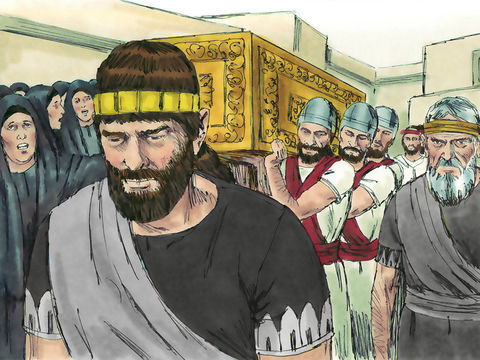
[A] “So Ahaziah died according to the word of the Lord which Elijah had spoken” (2 Kings 1:17).

[B] Jehoram, Ahaziah’s younger brother, became king in his place because he had no son (2 Kings 1:17).

Practical Considerations

Both parents influence children.
Ahaziah was influenced to do evil by both his father and his mother. In some cases, the evil influence of one parent is offset by the godly influence of the other. In Ahaziah’s case however, he was influenced to do evil by both parents. God will hold parents accountable for their influence on their children.

We should seek the Lord in times of distress.
When Ahaziah was severely injured as a result of a fall from an upper story chamber, he did not turn to the Lord. He sought the counsel of a pagan system and did not acknowledge the Lord in any way. Many people do not turn to the Lord in their distress but to the god of Ekron. Many people today turn to the Ekron god of their own resources and pride and try to deal with their distress with their limited strength and understanding. “The man who has forsaken God is [indeed] without refuge in his distress.”

God will hold men accountable for their insolent foolishness.
Ahaziah’s foolish action of seeking the counsel of a pagan idol did not go unnoticed by God. The king’s action declared that he did not acknowledge the God of Israel. Ahaziah’s blatant disregard for God and His Word brought a severe judgment upon him.


Isaiah 66

Terrible Judgment and Great Salvation

66:1-6
What message did God declare to the repatriates regarding the temple and their worship practices?
The message of Isaiah 66:1-4 is addressed to the repatriates who felt the temple needed to be rebuilt in order to provide a dwelling place for God. The message of these verses should not be seen as condemning the rebuilding of the temple, but rather a woefully inadequate view of God.

Verse 1 contains two questions. The first question challenges the listeners to consider the folly of building a temple to house God whose throne is heaven and whose footstool is the earth.

The second question is answered in verse 2. God’s dwelling place is not in houses made with hands but in humble and contrite hearts of men who revere His word. God also expresses His displeasure with the corrupt worship system of the people, which still has noticeable traces of pagan syncretism (66:3).

Verse 3 states that those involved in such practices have chosen their ways above God’s ways. In response, God declares that He will choose their punishments. God will hold accountable all men who are a party to faithless and corrupt worship.

Practical Considerations: Believers should choose God’s way over their own way.
The Bible teaches that God is interested in our choices. Isaiah spoke condemning words to those who chose their own ways above God’s ways. They would experience the judgment of God as a result. We should choose God’s ways above our own. We should choose those things that are pleasing in His sight.

Verses 5-6 announce the judgment that will befall those religious and political leaders involved in casting out (excommunicating) the righteous from the temple. They mistakenly think that they are rendering a service to God (“Let the Lord be glorified”) but will themselves be put to shame on the day of God’s judgment.

66:7-17
What lay in store for Jerusalem?


These verses employ the metaphor of motherhood to describe Jerusalem’s future. Verses 7-9 declare that Jerusalem will give birth to a new citizenry (66:7) without experiencing labor pains. To the skeptics who deny that such a thing is possible (66:8) God affirms that He will bring to completion what He has begun (66:9).

Those who love and mourn over Jerusalem are invited to rejoice for Jerusalem’s coming blessings. The righteous will be suckled, nourished, and comforted at her breast (66:11-13). God will vindicate Jerusalem and His servants and destroy His enemies (66:14-16) and all who continue to practice idolatry (66:17).

66:18-24
What is the concluding message of the book of Isaiah?
The concluding message of the book of Isaiah is both hopeful and somber. God declares that He will gather all nations and tongues that they might see His glory (66:18) and go forth as evangelists declaring that glory (66:19). They will also bring back to Jerusalem their brethren by every available means of transportation (66:20-21).

God promises that both Jerusalem’s descendants and name will endure (66:22) and that they will worship Him (66:23). Those who transgress against the Lord and fail to worship and serve Him will experience severe punishment (66:24). Thus ends the book of Isaiah on a somber note that challenges us to choose to worship, honor, and serve God.

Isaiah 65

God’s Answer to the Prayer

65:1-25
What was God’s answer to the prophet’s prayer?
God reminded the prophet of several things.

First, He reminded the prophet of how He had called and waited for His people with open arms (65:1-2).

Second, He reminded the prophet of how His people had engaged in abominable religious practices (65:3-5).

Third, He reminded the prophet that He had taken note of the rebellion and that the people would be repaid for their iniquities (65:6-7).

Fourth, God announced to the prophet that He would deal graciously with His people because of the presence of a righteous remnant (65:8-10).

Fifth, God announced to the prophet that the unrighteous would be condemned (65:11-12) and not enjoy the privileges and blessings of the righteous (65:13-16).

Sixth, God revealed to the prophet something of the glorious destiny awaiting His people (65:17-25). That glorious destiny includes the creation of a new heaven and earth (65:17), the elimination of sorrow (65:18-19), the promise of long lives (65:20), the enjoyment of the fruit of one’s labor (65:21-23), the promise of answered prayers (65:24), and harmony on the earth (65:25).

Isaiah 64

The Prophet’s Intercessory Prayer

63:15-64:12
What did the prophet ask God to do?
The prophet asked God to “Look down from heaven” (63:15) and to “come down” from heaven (64:1). The prophet asked God to look down from heaven to behold the condition of His people and the temple, both of which were in a ruined condition (63:15-19 and 64:10-11). The prophet confessed the sins of the people (64:5) and asked God to come down in a mighty display of power as in the days of old (recalled in 63:7-14) to rescue His people from their present distress (64:1-12).

Isaiah 63

Judgment on the Nations

63:1-6
What fate came upon those hostile to God and His people?
These verses contain a dialogue between God and the prophet. Seeing a figure wearing blood-stained garments approaching Jerusalem from the direction of Edom, the prophet asks, “Who is this who comes from Edom, with garments of glowing colors from Bozrah, this One who is majestic in His apparel, marching in the greatness of His strength?” (63:1).

The figure replies, “It is I who speak in righteousness, mighty to save” (or as the NEB translates the verse, “It is I, who announce that right has won the day, I, who am strong to save.”).

The prophet again inquires, “Why is Your apparel red, and Your garments like the one who treads in the wine press?” (63:2). The Lord explains to the prophet that His garments are stained with blood because He has acted on behalf of His people (63:3-6) by dealing with those hostile to them (as represented by Edom) and intent on trying to frustrate His purpose for them.

Practical Consideration: Unbelievers will never prevail against God.
No person or nation intent on frustrating the purposes of God will ever succeed. It is foolish for any man or nation to think that God can be defeated or that His purposes can be frustrated. God will prevail.

A Recap of Israel‘s History

63:7-14
Why did the prophet review Israel‘s history?
These verses form a psalm of remembrance in which the prophet recalls the past mercies of God on behalf of His people. God’s great acts on behalf of His people were grounded in His steadfast love for them (63:7). The prophet reminded the people that they had been chosen by God (63:8) and delivered by God (a reference to the Exodus: 63:9). He also reminded them of their stubborn rebellion against God (63:10) and the consequent problems (63:11-14). The prophet reviewed the history of God’s people to set the stage for the prayer to follow in which he asked God to work on behalf of His people once again.

The Prophet’s Intercessory Prayer

63:15-64:12
What did the prophet ask God to do?
The prophet asked God to “Look down from heaven” (63:15) and to “come down” from heaven (64:1). The prophet asked God to look down from heaven to behold the condition of His people and the temple, both of which were in a ruined condition (63:15-19 and 64:10-11). The prophet confessed the sins of the people (64:5) and asked God to come down in a mighty display of power as in the days of old (recalled in 63:7-14) to rescue His people from their present distress (64:1-12).

Isaiah 62

Zion to Be Honored as God’s Bride

62:1-5
What honor is in store for Zion?
These verses accentuate the difference that God makes. They look to the day when Israel will be vindicated before the world. They look to the day when Zion’s name will be changed from “Forsaken” to “My delight is in her,” and the name of her land from “Desolate” to “Married” (6:4).

God’s Watchmen to Guard Jerusalem

62:6-9
What responsibility was assigned to the watchmen?
These verses announce the placement of watchmen on the wall. The primary responsibility of these watchmen is to pray incessantly (62:6) for Jerusalem until God blesses her with peace and prosperity (62:7-9). No longer will foreigners confiscate the harvests and products of God’s people (62:8). God’s people will be privileged to enjoy the labor of their hands and to give praise to the Lord (62:9).

Practical Consideration: Believers should pray for their nation.
Isaiah spoke of watchmen on the wall who were responsible for praying for the peace of Jerusalem. These watchmen prayed incessantly for their beloved city. Believers today have a responsibility to pray for their nation. Many are guilty of incessant criticism, few of incessant prayer.

Jerusalem‘s Inhabitants Invite the Exiles Back

62:10-12
What did God urge the inhabitants of Jerusalem to do?
God charged the inhabitants of Jerusalem to prepare a highway for the return of exiles still scattered among the nations and to call those exiles home. On that day the city will be called “Sought out, a city not forsaken,” and God’s people will be called “The holy people, the redeemed of the Lord.”

Isaiah 61

Praise for Israel‘s Great Ministry

61:1-11
What is Israel‘s great ministry?


Isaiah 61:1-4 describes the prophet’s mission to the postexilic community (the suggested date for this passage is 538 B.C. after the return of the first band of exiles to Jerusalem). Their captivity had not yet ended (61:1). They were afflicted, brokenhearted, imprisoned, mournful, and faint-hearted (61:1-3).

In addition, their land was in ruins (61:4). The prophet declared that he had been empowered by God for his specific mission. (61:1). According to Luke 4:16-21, Jesus saw in the description of the prophet’s mission a portrayal of His own. This Scripture was ultimately fulfilled in Jesus.

Practical Consideration: Believers have a responsibility to minister to desperate people.
God commissioned and empowered His servant to minister to people in difficult and desperate circumstances. Jesus set the best example of ministry to others. Believers today are to follow the example of Jesus in ministering to others who are experiencing difficulties. We have a responsibility to minister to others in Jesus’ name, in Jesus’ strength, and with Jesus’ love.

Isaiah 61:5-9 describes the mission of God’s people in a restored Zion. They are to be priests and ministers of the Lord (61:6). They will be able to fully devote themselves to this role because foreigners will tend to their (God’s people) fields and flocks (61:5) and sustain them (God’s people) with their wealth (61:6). Israel, like a first-born son (Deuteronomy 21:17), will enjoy a double portion of the Lord’s inheritance (61:7). Both they and their descendants will be recognized by the nations as people whom God has blessed (61:8-9). These promises caused Zion to respond with a hymn of thanksgiving (61:10-11).

Isaiah 60

The Glory of the New Jerusalem

60:1-22
How did the prophet describe the new Jerusalem?


The double imperative, “Arise, shine” (60:1), was God’s “wake-up call” to Zion. The prophet painted a picture of Zion as an island of light reflecting the glory of God in the midst of a sea of sin (60:2). This light is a reference to Zion’s mission to the nations. Zion was to reflect the glory of God to the end that other nations would be drawn to her (60:3).

A second double imperative, “Lift up your eyes … and see” (60:4), was God’s call for Zion to behold the multitudes of people (60:4) converging upon her and to rejoice (60:5). The prophet envisioned camels bearing riches and people bearing sacrificial offerings to Zion (60:6-7).

In addition, the prophet envisioned the return of some of Zions sons and daughters on ships of Tarshish laden with silver and gold (60:8-9).

Practical Consideration: Believers have a responsibility to shine in a dark world.
Zion was to reflect God’s glory to the end that other nations would be drawn to her. Our lives should reflect to those around us the wonderful difference that makes in the lives of those committed to Him. Jesus said, “Let your light shine before men in such a way that they may see your good works, and glorify your Father who is in heaven” (Matthew 5:16).

In verses 10-14 the prophet spoke of Zion’s restoration to her former glory. Even foreigners and kings contribute to the rebuilding and restoration of Zion (60:10). The gates of the city remain open to facilitate the receiving of tribute from other nations (60:11-13). All people, including sons and former oppressors, call Zion by her new name, “the city of the Lord, the Zion of the Holy One of Israel” (60:14).

Verses 15-22 contrast Zion past and future. Zion was forsaken and hated in the past but would be a glorious place in the future (60:15). Zion was once like a motherless child but would be nourished by the milk of nations (60:16). She would experience the benefits of being governed by peace and righteousness and would be a place free of violence and destruction (60:17-18). The Lord Himself will be the source of light for the city (60:19-20 and see also Revelation 21:23-25), which will be inhabited by the righteous (60:21-22).

Isaiah 59

A Confession of Sin

59:9-15a
What did the prophet express in the confession of sin recorded in Isaiah 59?
These verses record Isaiah’s prayer of confession on behalf of the people. Notice the use of “us,” “we,” and “our.” Isaiah identified himself with the people. His prayer illustrates the results of disobedience to God: [1] they grope in darkness (59:9-10), [2] they groan like animals (59:11), [3] they are weighed down with guilt (59:12-13), [4] they are plagued by injustice (59:14-15a).

God Is A Warrior Against Sin

59:15b-21
How did God respond to the prayer of confession?
These verses constitute God’s response to the prayer of confession. Notice the following:

First, God expressed that He is both aware of and displeased with what He saw (59:15b).

Second, God intervened on behalf of the downtrodden (59:16).

Third, God clothed Himself like a warrior (59:17) and dealt personally with the wicked (59:19), coming as the Redeemer of His people (59:20).

The chapter closes with the assurance that God will maintain His covenant with His people (59:21).

Isaiah 58

Condemnation of Empty Fasting and Empty Sabbath Observance

58:1-14
What did God command His prophet to declare to His people?
God commanded the prophet to raise his voice like a trumpet to declare to the people their transgression (58:1). The people were outwardly very religious (58:2). They were fasting but felt that it was not doing them any good because God did not seem to take notice of or bless their fasting (58:3a).

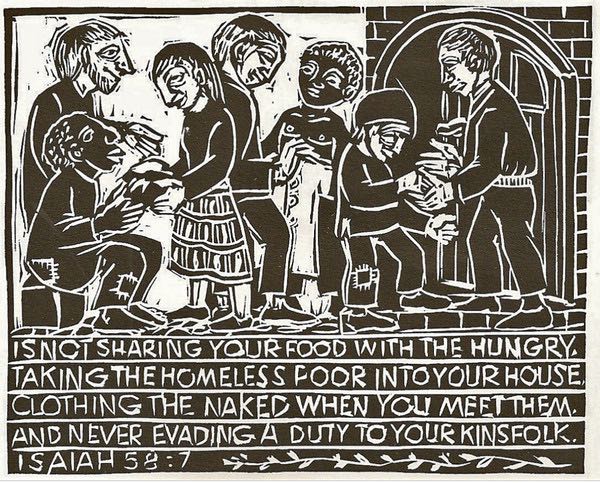
The prophet pointed out one of the unacceptable things about their fasting: employers delighted in fasting but were indifferent to the needs of their employees (58:3b). The prophet redefined fasting as an act that should have an impact on relationships with fellowmen, including: freeing the oppressed, feeding the hungry, giving shelter to the homeless, and clothing the naked (58:4-7 and see also Matthew 25:31-46).

Warren Wiersbe comments, “True fasting will lead to humility before God and ministry to others.” That kind of fasting will result in blessings from God (58:8-12). In addition to participating in fasting that helped alleviate human need, God wanted for His people to honor the Sabbath (58:13-14).

Practical Consideration: You can’t cover spiritual nakedness with the fig leaf of religion!
Many of the repatriates were very religious. They observed fasts and feasts. They followed the prescription for piety to the letter. Their piety however, lasted only as long as the worship service. It had no impact on their personal relationships with others in society. They were spiritually naked and impoverished. Their hearts were insensitive to the plight of others. They tried to cover their spiritual nakedness with the fig leaf of religious activity. They fooled their peers but not God.